Life
The midlife status audit
13 June 2026
6 min read
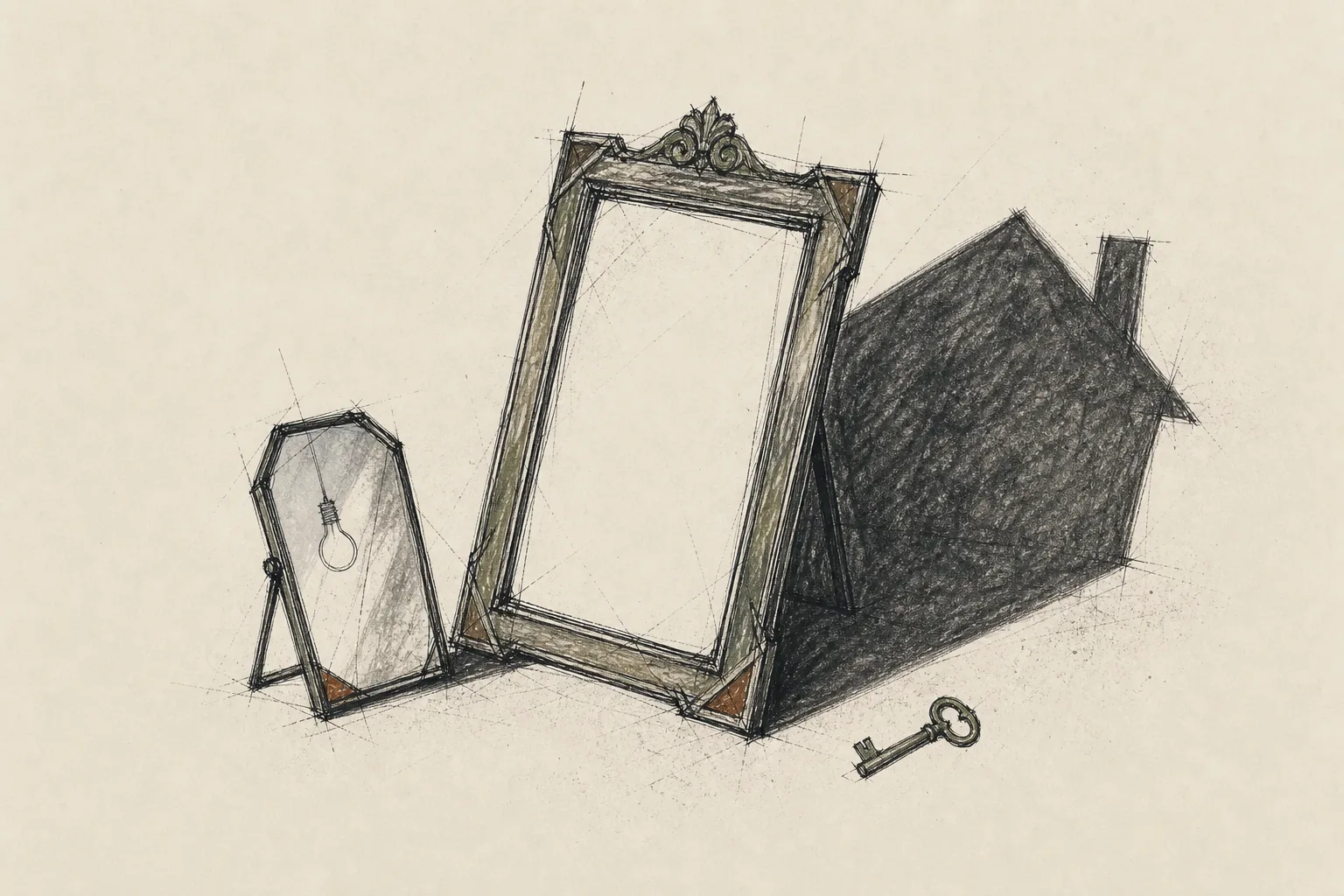
Status is most expensive when it has become invisible.
The larger house, senior title, premium car or always-busy diary may once have meant progress. Later, it can become a subscription to an identity you no longer use.
Follow the maintenance bill
List the visible and hidden cost of each status object or role: money, attention, commute, anxiety, clothing, storage, politics, recovery. Then ask what human need it serves—belonging, competence, safety, admiration, beauty, control.
The need is usually legitimate. The current method may not be.
Research summarised by the Office for National Statistics tracks multiple dimensions of national wellbeing, a useful reminder that income alone is not a complete account of a life.
Ask twelve awkward questions
Start with four:
- Would I still want this if nobody could see it?
- What must remain true for me to keep paying its full cost?
- Which smaller version supplies most of the value?
- What would I try if it did not threaten the story I tell about myself?
Do not turn minimalism into a new status competition. The aim is alignment, not aesthetic purity.
Redirect the released capacity
Removing an ambition creates a vacuum. Name where the money and time will go: the time portfolio, a runway for independent work, care, health or simple slack.
Status is not evil. Borrowed status is merely expensive. Midlife offers the useful embarrassment of noticing the difference.